
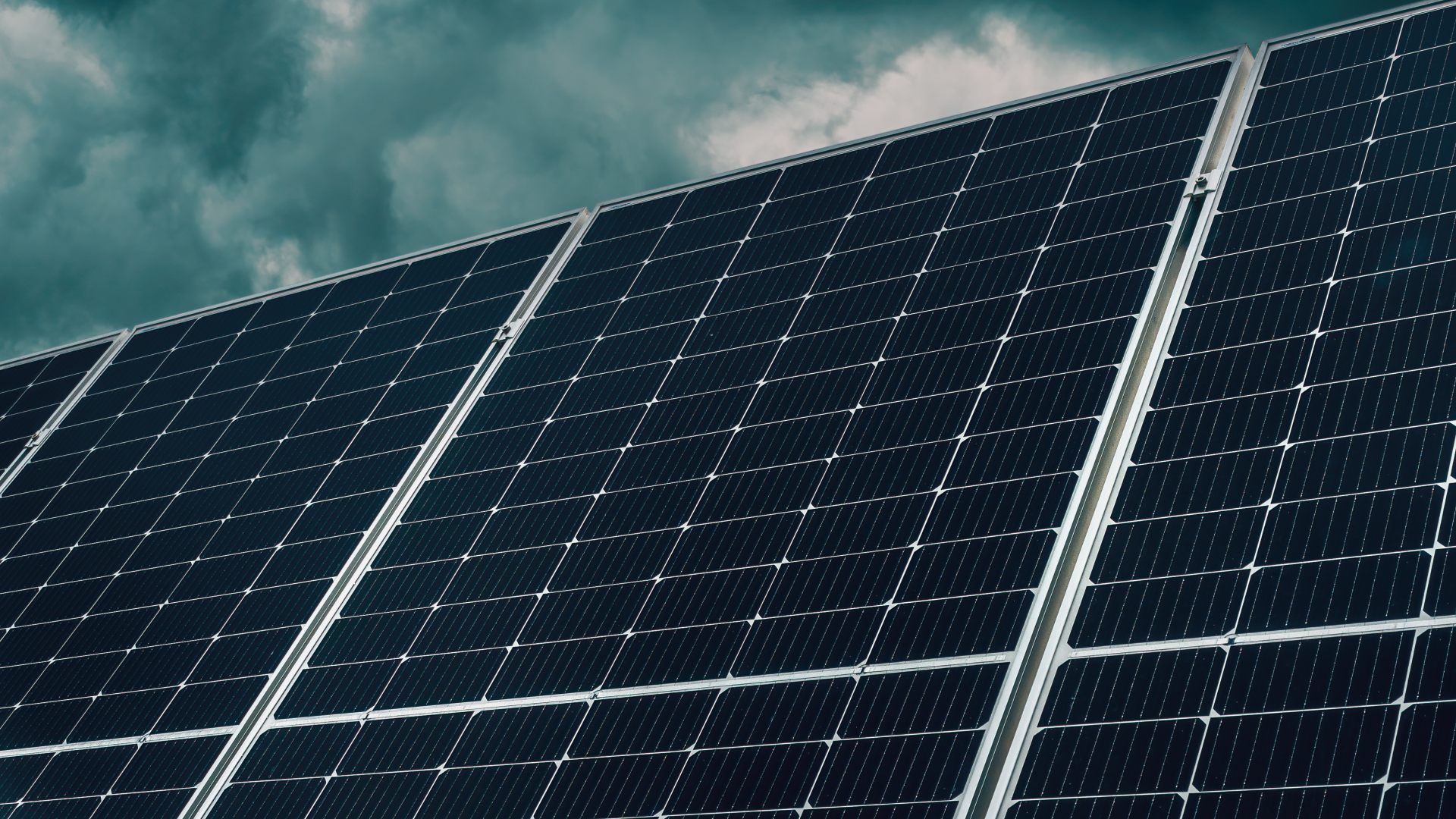
If you live in Ohio, you’ve probably wondered:
“Do solar panels actually work with all the clouds, rain, and storms we get?”
It’s a fair question. Ohio isn’t Arizona, and that’s exactly why it’s important to understand how solar performs in real Midwest conditions.
The short answer: yes, solar works very well in Ohio weather—even with frequent cloud cover and rain.
Here’s what you need to know before making a decision.
Do Solar Panels Work on Cloudy Days in Ohio?
Yes. Solar panels do not require direct sunlight to generate electricity.
They produce energy from:
- Direct sunlight
- Diffuse (indirect) sunlight through clouds
On cloudy days, production typically drops to:
- 10%–25% of peak output, depending on cloud thickness
But here’s the key:
Ohio still gets enough annual sunlight to make solar a strong investment.
According to the National Renewable Energy Laboratory (NREL), Ohio receives an average of 4–4.5 peak sun hours per day, which is more than sufficient for effective solar generation.
How Does Rain Affect Solar Panels?
Rain actually helps your system.
Benefits of rain:
- Washes away dust, pollen, and debris
- Improves panel efficiency after storms
- Reduces maintenance needs
While production pauses during heavy rain, systems typically rebound quickly once skies clear.
Do Solar Panels Work During Storms?
Solar panels are built to handle tough weather conditions common in Ohio, including:
- Thunderstorms
- High winds
- Heavy rain
Most modern panels are tested to withstand:
- Wind speeds of over 100 mph
- Impact from hail (within certified limits)
During severe storms or grid outages:
- Grid-tied systems will shut off temporarily for safety
- Systems with battery backup can continue providing power
This is important for Ohio, where storms can occasionally cause outages.
Does Humidity Affect Solar Panel Performance?
Ohio’s humidity has minimal impact on solar performance.
In fact:
- Solar panels often perform more efficiently in cooler climates
- Extremely high heat (more common in southern states) can reduce efficiency
So while Ohio may be humid, it’s actually a solid environment for solar production overall.
How Much Energy Can Solar Produce in Ohio?
A properly sized system in Ohio can typically offset 70% to 100% of a home’s electricity usage. This depends on:
- Roof direction and angle
- Shading from trees or buildings
- System size
Despite variable weather, annual production remains consistent enough to deliver strong savings.
Common Misconceptions About Solar in Ohio Weather
- “Solar doesn’t work if it’s cloudy” – False. Panels still produce energy, just at reduced levels.
- “Rain hurts solar performance” – False. Rain actually helps keep panels clean and efficient.
- “Storms will damage solar panels” – Unlikely. Panels are engineered for durability and tested for harsh conditions.
Final Answer: Do Solar Panels Work in Ohio Weather?
Yes—solar panels perform reliably in Ohio’s:
- Cloudy conditions
- Rainy seasons
- Storm-prone months
While production varies day-to-day, the annual output is more than enough to generate significant savings.
Get a Solar System Designed for Ohio Conditions
The key to success with solar in Ohio isn’t just installing panels. It’s designing a system that accounts for local weather patterns.
Superior Energy Solutions specializes in:
- Custom system design based on Ohio conditions
- Accurate production estimates
- Long-term performance planning
Contact Superior Energy Solutions today to see how solar would perform on your property—rain or shine.