
Electricity is becoming the backbone of almost everything we do.
From electric vehicles to electric heating systems, more homes, farms, and businesses are moving away from gas and diesel and toward electric-powered solutions. While this shift—known as electrification—has its benefits, it’s also creating a growing challenge: increased demand on the power grid.
And that demand is starting to show up in energy costs.
What Is Electrification?
Electrification simply means replacing systems that traditionally run on fossil fuels with ones powered by electricity.
Common examples include:
- Electric vehicles (EVs) replacing gas-powered cars and trucks
- Electric HVAC systems replacing propane or natural gas heating
- Electric equipment in agricultural and industrial settings
This shift is happening quickly across Ohio and the Midwest, driven by technology, incentives, and long-term cost considerations.
Why Electrification Is Putting Pressure on the Grid
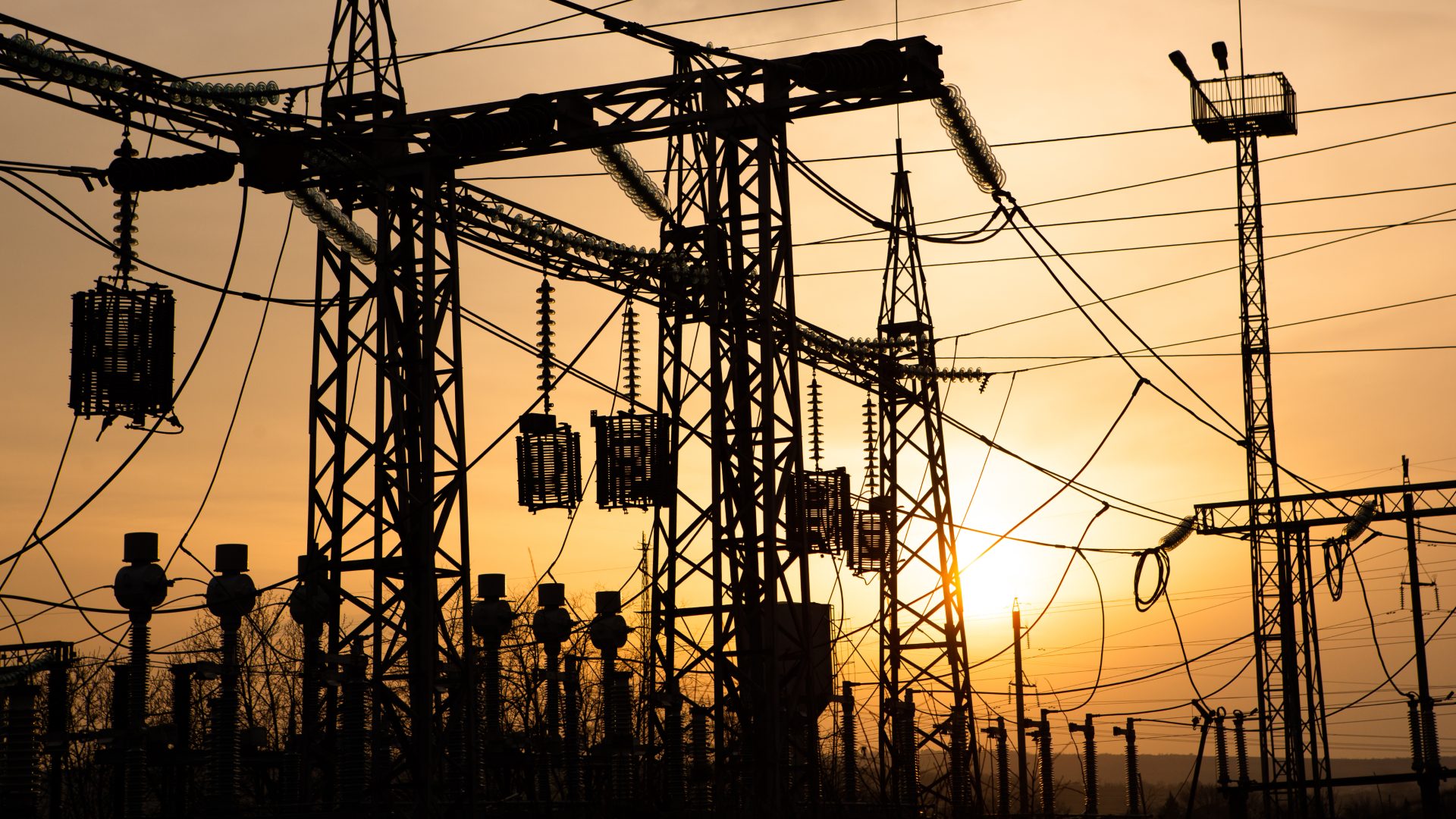
The power grid was not originally designed to handle this level of electric demand.
As more systems plug into the grid, utilities must keep up by:
- Generating more electricity
- Expanding transmission and distribution infrastructure
- Managing higher peak demand periods
The biggest challenge isn’t just total energy use—it’s when that energy is used.
For example, EV charging, heating systems, and business operations often overlap during peak hours, creating spikes that strain the system.
How This Impacts Energy Costs
As demand increases, so do the costs associated with producing and delivering electricity.
That can lead to:
- Rising utility rates
- Increased demand charges for commercial users
- More frequent rate adjustments
- Greater price volatility during peak periods
For businesses and farms, this can significantly affect operating costs—especially for those already using large amounts of electricity.
Why Waiting Can Cost You More
Electrification isn’t a short-term trend—it’s a long-term shift.
As adoption continues to grow, the strain on the grid is expected to increase. That means:
- Energy prices are unlikely to stabilize anytime soon
- Peak demand charges may become more aggressive
- Infrastructure upgrades will continue to be passed on to consumers
The longer you rely entirely on grid power, the more exposed you are to these changes.
How to Reduce Your Dependence on the Grid
The most effective way to manage rising energy costs is to reduce how much power you need from the grid—especially during peak demand times.
1. Generate Your Own Power with Solar
Solar energy allows you to produce electricity on-site, reducing the amount you need to purchase from the utility.
Benefits include:
- Lower monthly energy bills
- Protection from rising utility rates
- Better control over long-term energy costs
For many operations, solar production aligns well with daytime energy usage—helping offset peak demand.
2. Improve Efficiency with LED Lighting
Energy efficiency still plays a major role.
Upgrading to LED lighting can:
- Cut energy use significantly
- Reduce strain during peak hours
- Deliver immediate cost savings
3. Take a Proactive Approach to Energy Planning
Instead of reacting to rising costs, planning ahead gives you an advantage.
By evaluating your current usage and future needs, you can:
- Identify opportunities to reduce demand
- Lock in more predictable energy costs
- Avoid being fully dependent on utility rate changes
Local Solutions That Make Sense
At Superior Energy Solutions, we help customers across Northwest Ohio navigate these changes with practical, cost-effective solutions.
Whether it’s solar, lighting upgrades, or a combination of both, our goal is simple: help you reduce energy costs and gain more control over your operation.
Take Control Before Costs Climb Higher
Electrification is changing how energy is used—and how much it costs.
But you don’t have to be at the mercy of rising demand and increasing rates.
If you’re ready to take a more proactive approach to your energy usage, Superior Energy Solutions can help you find the right solution for your property.